
-
Search
Search
Wednesday, February 18, 2026
New research from ChristchurchNZ and Tourism New Zealand confirms conferences deliver lasting legacy beyond tourism, driving cultural, scientific, industry and reputation benefits.
ChristchurchNZ has released the second phase of The Conference Legacy Project in partnership with Tourism New Zealand, proving that hosting conferences in Aotearoa New Zealand is directly driving social, commercial, and reputational outcomes well beyond delegate spend.
The three-year research programme examines the broader impact of business events across the country. Moving beyond the traditional economic measures that have been captured in the past, this study aims to capture the contribution of long-lasting legacy outcomes, making it the first of its kind for New Zealand.
ChristchurchNZ Business Events Manager Bree Jones presented the latest findings at industry trade show AIME 2026 in Melbourne.
"This research has been a real step forward in how we understand the value of business events. It gives us credible, evidence-based insight into the long-term impact conferences create, for industries and importantly, the places that host them,” Jones says.
Internationally recognised business events researcher Professor Carmel Foley of UTS Business School has been conducting the research based on delegate surveys from 20 conferences held in Christchurch, Wellington, and Auckland in 2024 and 2025.
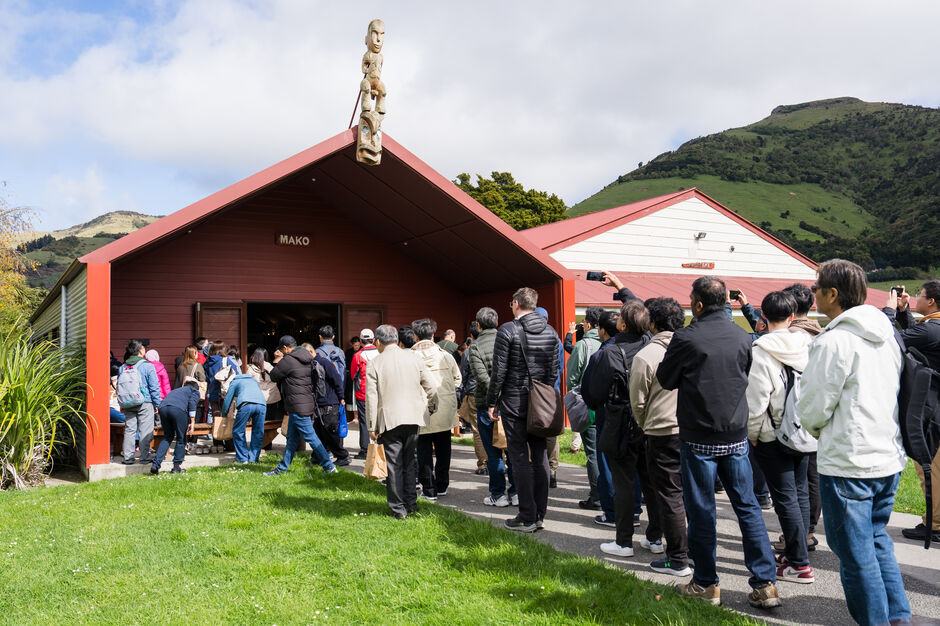
One of the clearest insights from the latest results was that Māori cultural leadership fundamentally shapes conference legacies. Nearly 88 per cent of respondents agreed that Māori‑led cultural experiences and programming created transformative experiences.
“One of the things that truly sets New Zealand apart is the depth of connection delegates experience through our unique Māori culture,” says Penelope Ryan, Tourism New Zealand Global Manager Business Events. “Conferences held here don’t just share knowledge — they are grounded in the values that shape how we collaborate, innovate and care for one another. That cultural depth creates a level of engagement and inspiration delegates simply can’t find anywhere else in the world.”
Industry innovation was another strong outcome, with 82 per cent of participants agreeing that new knowledge, tools, or technologies gained at conferences in New Zealand were directly applicable to their workplace.
Results also showed that conferences strengthened perceptions of New Zealand as culturally rich, safe, and welcoming. 83 per cent of international delegates agreed “the conference has positively influenced my perception of the conference destination as a desirable location to live, work, or study.”
Where trade was a core conference component there were tangible results, including strengthened international market access discussions, investment interest in infrastructure, enhanced opportunities for export‑focused collaboration, product showcases, and sector visibility. Across the portfolio, conferences supported early‑stage commercial conversations, increased exposure for New Zealand capabilities, and created pathways for future partnership development.
Across the portfolio, 77 per cent of respondents agreed that conferences contributed to community wellbeing, with outcomes including initiatives in health equity, environmental sustainability, and community development.
“The research is clearly showing that business events don’t just bring people to New Zealand, they help attract global talent, build long-term connections and position the country for future investment,” Jones concludes.