
-
Search
Search
Thursday, June 11, 2026
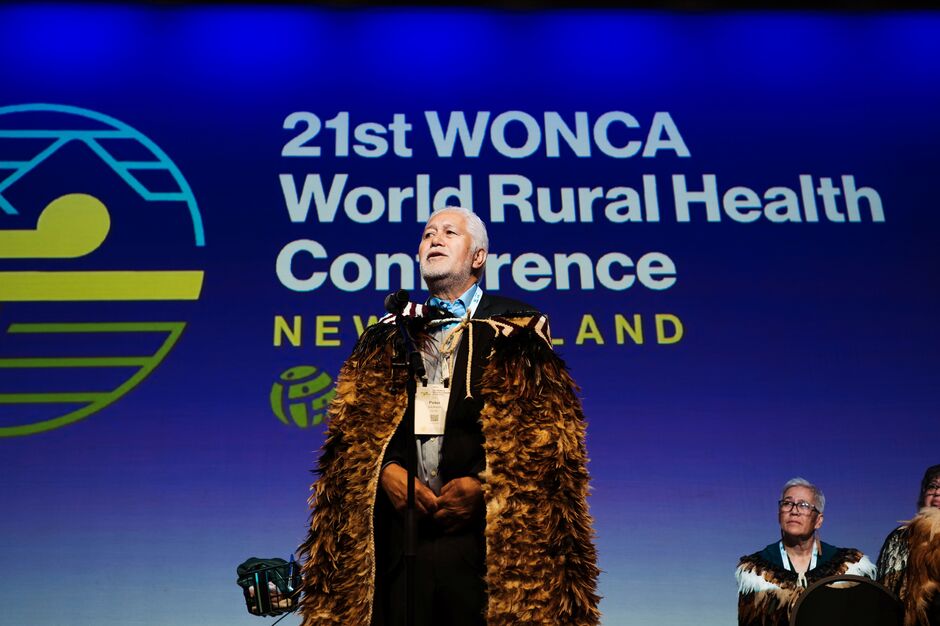
The 21st World Organisation of Family Doctors (WONCA) World Rural Health Conference
· 10–13 April 2026
· Tākina Wellington Convention and Exhibition Centre
· 978 delegates from 40 countries
· PCO - Conference Innovators
Wellington welcomed nearly 1000 delegates from 40 countries to the 21st World Organisation of Family Doctors (WONCA) World Rural Health Conference – the largest international association conference in the city to date.
Taking place at Tākina Wellington Convention and Exhibition Centre, 10–13 April 2026, the global event brought together health professionals, researchers, indigenous leaders, and rural communities to exchange ideas, share innovation, and influence the future of rural healthcare worldwide.
The conference was hosted by New Zealand’s national rural health advocacy organisation, Hauora Taiwhenua Rural Health Network with support from its Te Tiriti partners Te Rōpū Ārahi, Business Events Wellington and Tourism New Zealand Business Events.
New Zealand was chosen thanks to its strong rural demographic, indigenous and community-led health initiatives, and demonstrated commitment to rural health equity.
Hauora Taiwhenua Chief Executive Dr Grant Davidson said one of the strongest messages from Rural WONCA was the need for “rural proofing” across all health policy and funding decisions.
“Too often policies are designed for urban systems and adapted later for rural communities,” said Dr Davidson. “Hosting the conference in Wellington, the capital of Aotearoa New Zealand, gave us visibility, strengthening our role as an advisory organisation to government and its agencies. The location provided an accessible opportunity for members of parliament to attend, present their policies and hear directly from those affected by policy. This doesn’t happen anywhere else for our rural communities.”
Integrating indigenous knowledge
The conference theme, Whānau Ora: Integrating mātauranga Māori indigenous knowledge with rural health for a thriving future, provided a unique platform to focus on New Zealand’s innovative approaches to integrating Māori health models within its healthcare system across four days of thought-provoking keynotes, oral presentations, panels, workshops, and poster sessions.
The conference opened with an official pōwhiri welcome led by the local Te Āti Awa people and closed with a memorable cultural performance from the Pātea Māori Club. A special workshop was held to further develop the WHO Global Plan of Action on the Health of Indigenous Peoples.
Conference speakers included Dr Diana Kopua and Mark Kopua, founders of Mahi a Atua, an approach to healing and mental health grounded in Māori indigenous knowledge; and Health New Zealand’s Laura Aileone grounding care back in whānau (family) and community. Former Director-General of Health of New Zealand Sir Ashley Bloomfield and Pacific health pioneer Sir Collin Tukuitonga were amongst the presenters sharing their vision for healthy and thriving rural communities.
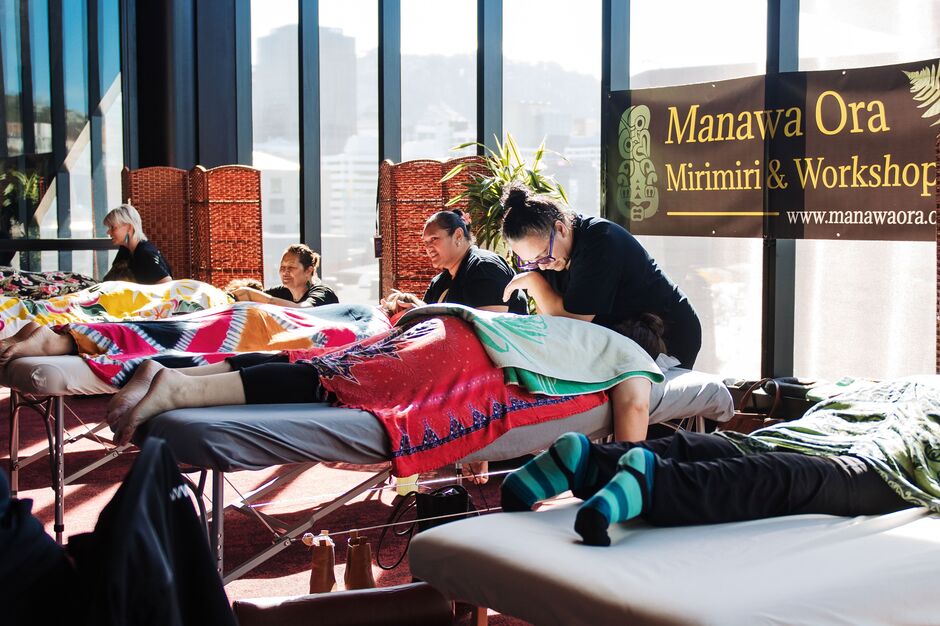
As well as a traditional exhibition, the conference hosted Ahi Kā, a Te Ao Māori Hub reflecting the Māori concept of hauora, or holistic wellbeing. Delegates could engage with Māori culture from art to weaving, massage to tā moko (traditional tattoo).
Dr Pratyush Kumar, Chair of the WONCA Working Party on Rural Practice (WWPRP), said: “New Zealand definitely brought fresh ideas, indigenous wisdom. I think the biggest learning from this conference would be to unlearn what you have learned and know new things, understand new realities; the world is changing, and you also need to change with the changing times.”
Wellington rolls out a capital welcome
Wellington, New Zealand’s capital, was selected as host city for its blend of cultural diversity, strong health sector partnerships, and its role as political and healthcare hub of the country.
Delegates were able to connect with the city’s world-class biomedical research through site visits to both the Malaghan Institute of Medical Research and the Gillies McIndoe Research Institute.
The proximity of Tākina Wellington Convention Centre and surrounding hotels in the city’s compact CBD allowed delegates to make the most of Wellington's scenery through morning networking walks along the picturesque waterfront and up Mount Victoria.
Social activities capitalising on Wellington’s natural beauty and “Wellywood” status included a sculpting workshop at movie effects experience Wētā Workshop, a movie night at Embassy Theatre, an evening function at The Wellington Zoo, and a guided tour of Zealandia Te Māra a Tāne ecosanctuary. The city’s foodie reputation was showcased with a tour of the Wairarapa wine region incorporating local chocolate, cheese, and wine tasting, while Wellington put on a stunning day for a harbour cruise and lunch at Eastbourne.
Immediate Past Chair of the WONCA Working Party on Rural Practice Dr Bruce Chater said: “Wellington's a great city. It's walkable. It has wonderful facilities and wonderful restaurants. It's also just got a lovely feel to it, you feel safe, you feel welcomed.”
Seeding a longer-term legacy for rural health
Beyond the expected economic impact of $2.7m to Wellington, Rural WONCA has led to longer-term benefits for both its host community and its delegates.
It saw the launch of the Aotearoa New Zealand Declaration on Rural Health 2026, a national roadmap setting out six priority areas to strengthen rural health systems, improve access to care, and support a sustainable rural workforce in New Zealand.
The Associate Minister for Health, Hon Matt Doocey, speaking at the conference on behalf of the Minister of Health, Hon Simeon Brown, was supportive of the strategic direction set out in the calls to action.
Dr Fiona Bolden, Chair Hauora Taiwhenua and Co-Chair of the conference Host Committee, says “Rural communities know what works, but for too long decisions have been made without rural voices at the table. The inequities facing rural communities are not inevitable - they are preventable. The Declaration sets out what needs to happen next. This is the legacy of the conference for rural communities.
“We carry forward collective and shared knowledge, new ideas, renewed energy, and the shared commitment to advancing rural health equity of those that live and work rurally.”
The GRACE initiative (Global Rural Health Action, Collaboration and Excellence), a major new global initiative aimed at improving health outcomes for rural communities through international collaboration, policy advocacy and sharing practical solutions, was also unveiled during the event.
Dr Pratyush Kumar said launching GRACE in New Zealand was symbolic: “Rural communities everywhere face common challenges. GRACE is about turning shared knowledge into coordinated global action, and Aotearoa New Zealand is an ideal place to lead that conversation.”
Tourism New Zealand’s Business Events team provided strategic funding and support to attract the 21st World Organisation of Family Doctors (WONCA) World Rural Health Conference to New Zealand.
Tourism New Zealand’s Conference Assistance Programme is available to any association or organisation that wants to bid to host an international conference in New Zealand with a minimum of 200 international delegates. See more here.(opens in new window)